What Is Gap Insurance and Do I Need It? The Honest Answer (2025)
Buying a new or used car can be one of the happiest moments in life — until you realize that the minute you drive it off the lot, its value starts to drop. Then you hear about something called gap insurance, and you wonder: Do I really need this? Or is it just another add-on car dealers push to make more money?
If that sounds familiar, you’re not alone. In 2025, more drivers than ever are financing cars with long-term loans and smaller down payments — and that means more people are at risk of owing more than their cars are worth. That’s where gap insurance comes in.
Let’s break it all down in simple English — what it is, how it works, how much it costs, and whether you actually need it.
What Exactly Is Gap Insurance?
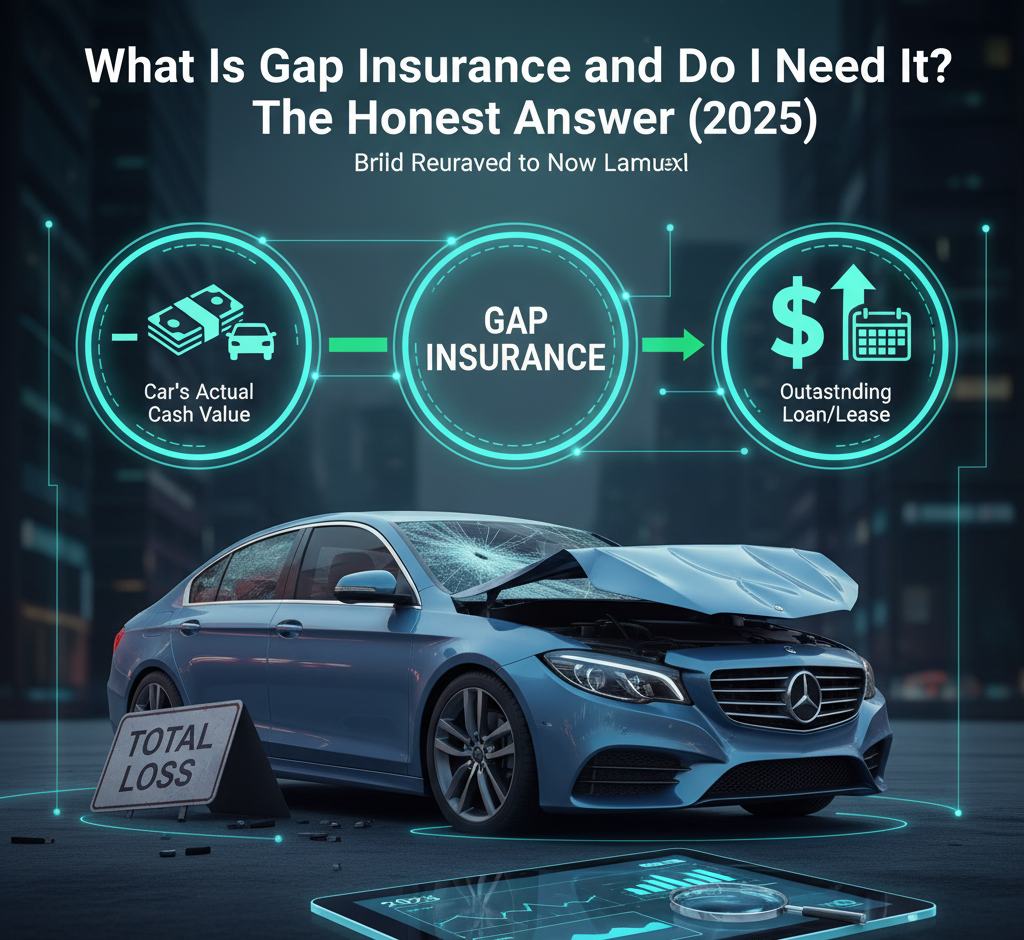
Gap insurance (short for Guaranteed Asset Protection) is a special kind of coverage that protects you if your car is totaled or stolen and your standard insurance payout isn’t enough to cover what you still owe on your car loan or lease.
Here’s the basic idea:
- You buy or lease a car.
- You make monthly payments on it.
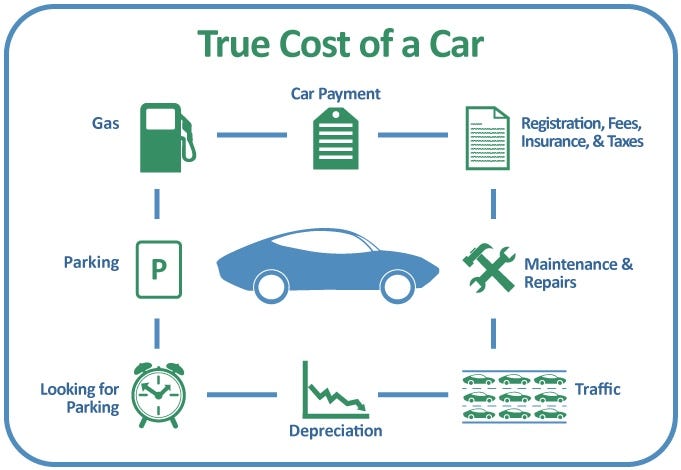
- Your car starts losing value right away (thanks to depreciation).
- If it gets totaled or stolen, your regular insurance only pays you what the car is worth today — not what you paid for it or still owe.
- That leaves a “gap” between what your insurer pays and what you still owe your lender.
- Gap insurance covers that difference.
Real-Life Example
Imagine this:
You financed a car for $30,000. Six months later, the car is totaled in an accident. At that moment, your car’s actual value is only $25,000 — but you still owe $29,000 on your loan.
Your insurance company pays the $25,000, leaving you with a $4,000 debt on a car you can’t even drive.
If you had gap insurance, that $4,000 balance would be covered.
Why Gap Insurance Exists
Cars lose value fast — that’s a fact. According to many insurance and finance experts, a new vehicle can lose 20% or more of its value within the first year. After five years, some models lose 60% or more.
If your loan or lease doesn’t shrink as fast as your car’s value, you could easily end up “upside down” — meaning you owe more than your car is worth.
That’s why lenders and dealerships often recommend (or even require) gap insurance. It’s not meant to be a scam; it’s meant to protect the bank — and you — from that financial risk.
What Gap Insurance Covers (and What It Doesn’t)
✅ What It Covers
- The difference between your car’s value (actual cash value) and what you owe on your loan or lease after a total loss or theft.
- Many gap policies also cover certain lease fees or negative equity rolled into your loan from a previous vehicle.
🚫 What It Doesn’t Cover
- Regular car repairs, maintenance, or mechanical breakdowns.
- Your deductible (the amount you pay out-of-pocket before your insurance kicks in).
- Late fees, missed payments, or additional charges on your loan.
- Extended warranties or add-ons you financed with the car unless specifically listed in your policy.
In short, gap insurance is not an all-purpose protection plan. It only comes into play when your car is declared a total loss and your regular insurance payout isn’t enough to pay off the loan.
Who Actually Needs Gap Insurance?
Here’s the honest answer: Not everyone.
But if your financial setup puts you at risk of being “upside down” on your loan, gap insurance can be a lifesaver.
You Probably Need It If:
- You put little or no down payment (under 20%) on your car.
- You chose a long-term loan (60, 72, or 84 months).
- You leased your vehicle (many leases require gap insurance).
- You rolled negative equity from your old car into your new loan.
- You bought a car that depreciates quickly (most luxury vehicles, or cars with high mileage).
- You drive a lot, which reduces your car’s resale value faster.
You Can Skip It If:
- You paid cash for your car (no loan or lease).
- You made a large down payment.
- You have a short loan term (36–48 months).
- You already owe less than your car’s current value.
- You have savings that could cover a gap if needed.
One YouTube commenter summed it up perfectly:
“You only need gap insurance if there’s actually a gap. If you’re not upside down, you’re just buying peace of mind.”
How Much Does Gap Insurance Cost?
The good news is that gap insurance isn’t expensive — as long as you buy it the right way.
| Where You Buy It | Typical Cost | Notes |
|---|---|---|
| Your car insurance company | $20–$60 per year | Usually cheapest option |
| Your car dealer | $300–$800 (one-time) | Often rolled into your loan — higher cost overall |
| Your bank or lender | Varies | May be required for certain loans |
Why Prices Differ
Dealers often mark up gap insurance heavily. They know that when you’re signing papers, you just want to finish — so they slip in add-ons like gap coverage without much explanation.
Buying directly from your insurance provider is almost always cheaper and more flexible. Plus, you can cancel it once you no longer need it (like when you owe less than the car’s value).
How and When to Get Gap Insurance
If you’re buying a new or used car, you typically have three ways to get gap insurance:
- Through your auto insurance company — Simply call your insurer and ask to add “loan/lease gap coverage.”
- Through the dealership — Often offered when you finance or lease a car, but more expensive.
- Through your lender or credit union — Sometimes included in special loan programs.
When to Buy It
- Ideally at the same time you buy or lease your car.
- Some insurers allow you to add it within the first 30–90 days after purchase.
- You can drop it anytime once your car’s value exceeds your loan balance.
Real Pain Points from U.S. Drivers
Gap insurance sounds simple — until something goes wrong. If you scroll through Facebook groups or car-owner forums, you’ll find hundreds of frustrated comments:
💬 “My car was totaled, and I still owed $9,000 after insurance. My gap claim took 6 months to process!”
💬 “The dealer told me gap was required. Found out later it wasn’t, and I overpaid $700.”
💬 “I bought it, but when my car was stolen, my claim was denied because they said I missed a loan payment.”
💬 “I didn’t even know I had it until the finance company mentioned it in my payoff balance.”
These comments highlight three common frustrations:
- Poor communication — Buyers don’t fully understand what they’re buying.
- Slow claim processing — Especially when multiple companies are involved.
- Fine-print exclusions — Missing payments or rolling over loans can void coverage.
That’s why it’s so important to read the details before you sign and to choose a provider that clearly explains what’s covered.
The Hidden Truth: Who Gap Insurance Really Protects
It’s worth mentioning — gap insurance doesn’t just protect you; it also protects your lender.
If your car is totaled and you stop paying your loan, the lender still needs to get their money back. Gap insurance guarantees they’ll be paid even if your car’s value doesn’t cover it.
That doesn’t mean it’s bad. It just means you should understand that the real goal is to protect both sides — the bank’s investment and your finances.
How to Calculate Your Own “Gap”
Here’s how to figure out if you’re actually at risk:
- Find out how much you still owe on your car loan.
- Look up your car’s current market value on Kelley Blue Book (kbb.com) or Edmunds.
- Subtract the value from what you owe.
If the result is a positive number, that’s your potential gap — and gap insurance might make sense.
If the number is zero or negative, you’re safe — you owe less than your car’s worth, so gap insurance may not be necessary.
Common Mistakes to Avoid
Even if you decide to get gap coverage, many drivers make small mistakes that lead to big headaches. Avoid these common pitfalls:
1. Buying It from the Dealer Without Comparing Prices
Dealers mark up gap insurance the same way they mark up warranties. Always check with your regular insurer first — it could save you hundreds.
2. Assuming It Covers Everything
Gap insurance doesn’t pay your deductible or extra fees. Know exactly what’s included before you rely on it.
3. Forgetting to Cancel It
Once you owe less than your car’s value, you’re wasting money keeping gap insurance active.
4. Letting the Loan Fall Behind
If your loan goes into default or you skip payments, your gap coverage may not apply.
5. Not Keeping Proof
If your car is totaled, you’ll need copies of your loan statements, insurance payout, and vehicle valuation. Keeping organized records helps avoid claim delays.
Can You Get Gap Insurance for a Used Car?
Yes — as long as you financed or leased it and owe more than it’s worth.
Many people think gap insurance only applies to new cars, but that’s not true. Used cars can depreciate quickly too, especially if you paid more than market value.
If you paid cash for a used car, though, you don’t need gap insurance — there’s no loan balance to cover.
Gap Insurance vs. New Car Replacement: What’s the Difference?
These two coverages are often confused, but they’re not the same thing.
| Feature | Gap Insurance | New Car Replacement |
|---|---|---|
| Covers | The difference between car’s value and loan balance | Gives you a brand-new replacement car |
| When it applies | Total loss | Total loss within certain time/mileage |
| Cost | Low | Higher |
| Offered by | Insurers, dealers, lenders | Usually insurance companies only |
Some insurers offer both together. For example, if your brand-new car is totaled within the first year, new car replacement gives you a new one, and gap insurance covers any leftover loan difference.
How Long Should You Keep Gap Insurance?
The best time to drop gap coverage is when:
- You owe less than your car’s value, and
- You have enough savings to cover any small remaining balance yourself.
For most drivers, this happens after 2–3 years into the loan, depending on payments and depreciation rate.
You can call your insurer to cancel it anytime once your risk is gone.
Real-World Example: How It Saves (or Costs) You
Example 1 – With Gap Insurance:
Maria buys a new car for $32,000 with a $1,000 down payment. After a year, she owes $29,000, but her car’s value is only $25,000.
When her car is totaled, her insurance pays $25,000. Gap insurance covers the $4,000 difference — she walks away debt-free.
Example 2 – Without Gap Insurance:
Jordan leases a car with no down payment. Two years later, it’s stolen. The car’s value is $20,000, but he still owes $24,000.
His insurance pays $20,000, and he must pay the remaining $4,000 himself.
In both cases, gap insurance made the difference between financial relief and financial pain.
Key Takeaways
- Gap insurance isn’t required by law, but it may be required by your lender or lease.
- It protects you from paying the difference if your car is totaled and you owe more than it’s worth.
- It’s affordable — especially when bought through your insurance company.
- It’s most useful for people with long loans, low down payments, or rapidly depreciating cars.
- You can drop it once you’re no longer “upside down” on your loan.
The Bottom Line (2025 Perspective)
In today’s market — with car prices high, interest rates rising, and loans stretching longer — gap insurance can make sense for many drivers, especially those financing new vehicles with little down payment.
But don’t buy it blindly.
Ask questions. Compare prices. Know when you actually need it — and when you don’t.