Routine Car Inspections: What Owners Often Forget That Costs Money
Introduction:
Why Skipping Inspections Costs More Than You Think
Many drivers focus on obvious maintenance tasks like oil changes, brake pads, or tire replacements—and then skip full routine car inspections. While these small, everyday checks seem minor, ignoring them can lead to major, costly repairs over time.
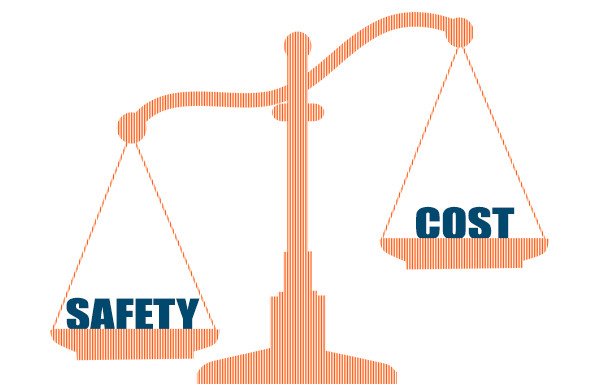
Routine inspections aren’t just about safety—they protect your wallet. Overlooked items such as fluid leaks, worn belts, electrical issues, and alignment problems quietly escalate expenses. What starts as a few dollars for a simple check can turn into hundreds or thousands in emergency repairs if ignored.
The good news is that thorough, regular inspections are both manageable and affordable. By knowing what to check, how often, and how to track your findings, drivers can avoid surprise repair bills, improve safety, and extend the life of their vehicles. This guide breaks down what most owners forget during inspections—and how to stay ahead without overspending.
1. The Basics: What Every Routine Inspection Should Cover
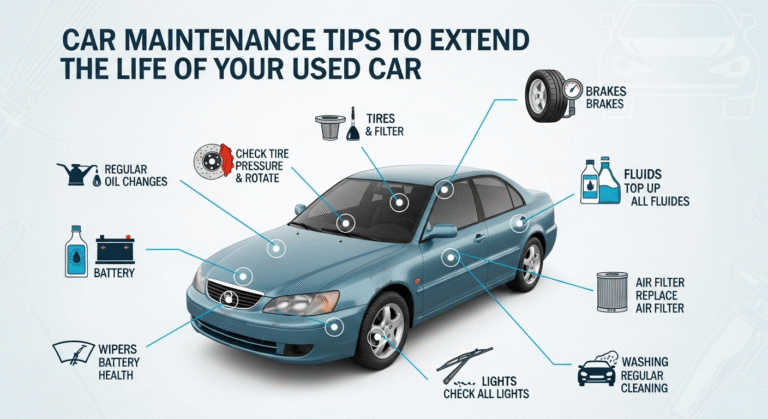
At a minimum, routine car inspections should check fluids, brakes, tires, lights, and wipers. These basics prevent common issues that escalate quickly if ignored.
- Fluids: Engine oil, coolant, brake fluid, and windshield washer levels can drop or degrade between services. Low levels may damage engines or brakes.
- Brakes: Check pads, discs, and fluid regularly. A squeak or reduced braking response signals early wear.
- Tires: Inspect tread depth, pressure, and sidewall damage. Proper inflation saves fuel and prolongs tire life.
- Lights & Wipers: Functioning headlights, brake lights, and wipers are essential for safety and compliance.
Creating a simple monthly or quarterly inspection checklist ensures nothing is forgotten. These small steps reduce emergency repair costs and improve road safety.
2. Tire Checks That Are Often Ignored
Tires are more than a monthly pump of air—they’re a major contributor to safety and efficiency. Drivers often overlook:
- Tread depth: Worn tires reduce traction and increase stopping distances.
- Pressure: Incorrect inflation lowers fuel efficiency and accelerates wear.
- Rotation & Alignment: Neglecting these can lead to uneven tire wear and suspension stress.
Budget-friendly solutions include performing monthly pressure checks at home, rotating tires according to the manufacturer’s schedule, and scheduling annual alignments. Preventive tire care saves money and extends vehicle life.
SEO focus: tire maintenance costs, overlooked car maintenance
3. Brake System Inspections
Brakes are safety-critical but often ignored until a squeal or vibration occurs. Regular brake inspections should include:
- Pad thickness and disc condition
- Brake fluid level and condition
- Signs of uneven wear or noises
Detecting issues early prevents expensive replacements and ensures safe stopping power. Routine checks are cheaper than emergency brake repairs and avoid roadside risks.
SEO focus: brake maintenance, car inspection tips
4. Engine and Fluid Checks
The engine is the heart of your car, and small fluid issues can escalate quickly. Regular engine and fluid inspections include:
- Engine oil, coolant, transmission fluid, and power steering fluid
- Checking for leaks, discoloration, or unusual odors
- Monitoring for early signs of overheating or poor performance
DIY checks are fine for top-ups and visual inspections, but professional servicing is recommended for deeper analysis. Catching problems early avoids major engine repairs later.
SEO focus: engine maintenance tips, hidden car expenses
5. Electrical System and Lights
Electrical failures are common yet often overlooked. Key inspection areas include:
- Battery health and connections
- Alternator function
- Headlights, brake lights, turn signals
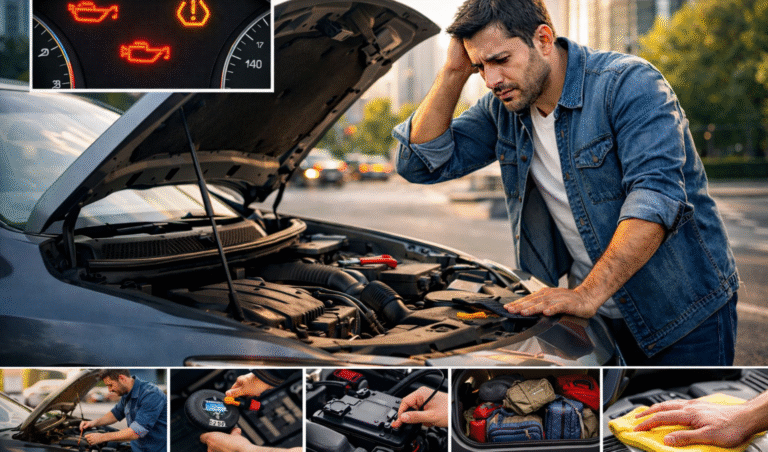
- Dashboard warning lights
Ignoring electrical issues can lead to roadside breakdowns or safety hazards. Simple monthly checks and timely bulb replacements keep costs low.
SEO focus: car electrical inspection, prevent costly repairs
6. Suspension, Steering, and Alignment
Suspension and steering problems silently increase wear on tires, brakes, and components. Key signs include:
- Uneven tire wear
- Pulling to one side
- Excessive vibration or noise over bumps
Routine inspections for shocks, struts, and steering systems prevent accidents and reduce long-term repair bills. Affordable preventive checks are available at most independent mechanics.
SEO focus: suspension maintenance, car safety checks
7. Belts, Hoses, and Wearable Components
Belts and hoses are small but essential. Timing belts, serpentine belts, and hoses fail gradually, often without warning. Inspecting these components:
- Prevents engine or accessory failure
- Reduces the risk of roadside breakdowns
- Avoids emergency replacement costs, which are often higher than scheduled maintenance
Scheduling replacement at recommended intervals saves money and protects engine health.
SEO focus: car belts maintenance, overlooked car costs
8. Seasonal and Environmental Checks
Seasonal changes can damage unprepared vehicles. Inspections should include:
- Air conditioning and heating system
- Windshield wipers and washer fluid
- Corrosion or rust, especially in winter or coastal climates
Addressing seasonal concerns early reduces long-term repair expenses and improves comfort.
SEO focus: seasonal car maintenance, hidden car expenses
9. Tracking and Budgeting Inspection Costs
To make inspections effective, track costs and schedules. Use:
- Monthly vs yearly inspection plans
- Logs, apps, or spreadsheets to record checks and expenses
- An emergency fund for inspections and unexpected repairs
Budgeting inspections ensures they remain affordable and prevents surprises from escalating into financial stress.
SEO focus: car budget planning, routine car inspections cost
FAQs: Routine Car Inspections and Hidden Costs
What items do drivers forget during inspections?
Belts, hoses, suspension components, electrical systems, seasonal checks, and minor fluids are often overlooked.
How often should I inspect my car to avoid costly repairs?
Monthly for basics (tires, lights, fluids) and quarterly or yearly for in-depth inspections.
Can regular inspections really save thousands?
Yes. Preventive detection of small issues avoids major failures that can cost hundreds to thousands of dollars.
Are DIY inspections safe or should I hire a mechanic?
Basic checks like tire pressure or fluid levels are safe to do yourself. Complex systems like brakes, suspension, and electricals should be inspected professionally.
Conclusion: Small Inspections Prevent Big Bills
Routine inspections are small investments with major returns. By consistently checking fluids, brakes, tires, electricals, belts, and seasonal items, drivers avoid costly repairs, improve safety, and extend vehicle life.
The key is awareness, consistency, and proper planning. Using checklists, tracking expenses, and budgeting for inspections turns unpredictable costs into manageable, routine steps—making car ownership safer, smarter, and less stressful.