New Car vs Used Car: A True Cost Breakdown Most Buyers Ignore
Introduction:
Why Buying a Car Isn’t Just About the Sticker Price
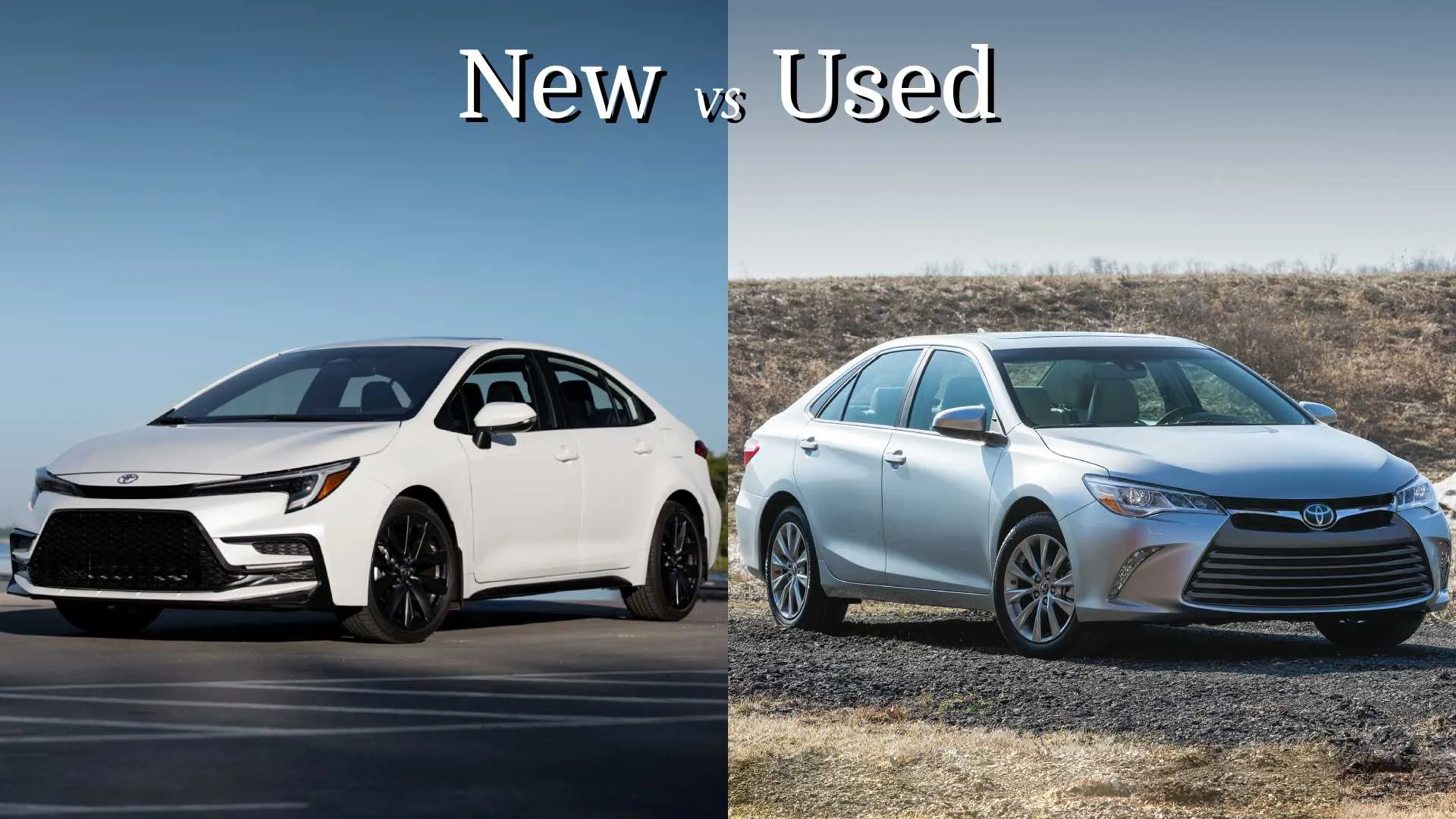
When shopping for a vehicle, most buyers focus on the monthly payment or the initial sticker price. However, these numbers only tell part of the story. New car vs used car costs go far beyond the showroom floor, including insurance, maintenance, depreciation, and hidden fees.
Many people are surprised by how quickly expenses accumulate. A new car might feel affordable today but can cost thousands more over the first few years due to depreciation and higher insurance premiums. On the other hand, used cars may have lower upfront costs but can carry unpredictable repair expenses if not carefully chosen.
This guide provides a detailed breakdown of all costs, helping you make an informed decision between a new or used car. Understanding the total cost of ownership ensures your choice fits both your budget and lifestyle.
1. Purchase Price: New vs Used
The initial purchase price is the most obvious difference between new and used vehicles. On average, new cars cost $5,000–$15,000 more than a comparable used model, depending on make and trim.
Financing vs cash purchase also affects affordability. New cars often come with lower interest rates from manufacturers, but the higher principal means larger monthly payments. Used car loans may have higher rates, yet the smaller purchase price keeps monthly obligations lower.
Short-term affordability favors used cars, while some buyers value the peace of mind and warranty coverage of a new vehicle. Understanding these trade-offs is the first step in evaluating new car vs used car costs.
2. Depreciation: The Hidden Cost of a New Car
Depreciation is the silent killer of car budgets. New vehicles lose an average of 20–30% of their value in the first year and up to 50% within three years.
Used cars have already absorbed the steepest depreciation, making them a safer investment if your goal is long-term value retention. Depreciation affects total ownership costs because it determines resale value and trade-in leverage later.
For buyers prioritizing long-term cost-efficiency, considering how quickly a vehicle loses value is just as important as the initial purchase price.
3. Insurance Costs: New vs Used
Insurance premiums differ significantly between new and used cars. New cars typically cost more to insure due to higher replacement value and advanced technology.
Coverage considerations:
- Full coverage may be recommended for new vehicles
- Older cars can sometimes use liability coverage only, reducing costs
- Discounts are available for safe driving, bundled policies, and anti-theft devices
By comparing quotes and adjusting coverage responsibly, you can manage car insurance costs without compromising safety, regardless of the car’s age.
4. Maintenance and Repair Expenses
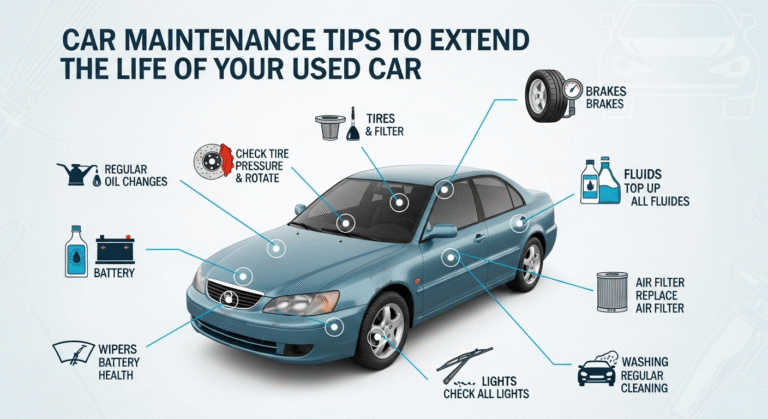
New cars benefit from warranties and typically require minimal repairs in the first few years. Used cars, depending on age and condition, may require more frequent maintenance or replacements for wear-and-tear parts.
Preventive care reduces long-term costs:
- Regular oil changes, fluid checks, and tire rotations
- Timely brake and suspension inspections
- Choosing quality parts for repairs
While a used car may have lower upfront costs, understanding potential maintenance requirements is crucial to avoid unexpected expenses that offset initial savings.
5. Fuel Efficiency and Operating Costs
New cars often incorporate the latest fuel-saving technologies, giving them an edge in fuel economy. Older vehicles may have less efficient engines, worn tires, or outdated systems that increase operating costs.
Budgeting for fuel should consider:
- Mileage driven per month/year
- Fuel type and efficiency
- Driving habits and vehicle condition
Accurate estimates of car operating costs help you compare the realistic affordability of new versus used vehicles.
6. Financing and Loan Considerations
Interest rates vary between new and used cars. Manufacturers often offer promotional rates for new cars, making financing attractive, while used car loans typically carry higher interest.
Loan considerations:
- Longer loan terms reduce monthly payments but increase total interest
- Leasing a new car can lower monthly costs but limits ownership
- Used car loans are smaller but may lack low-rate incentives
Understanding financing structures is essential to assess car loan costs and the overall affordability of new vs used vehicles.
7. Resale Value and Trade-In Considerations
Resale value significantly impacts total ownership cost. Some used cars, like certain Japanese models or certified pre-owned vehicles, hold their value better than new cars during the first few years.
Tips to maximize resale value:
- Maintain appearance and mechanical condition
- Keep detailed service records
- Avoid excessive mileage and harsh driving conditions
These steps ensure you get the most out of your vehicle, whether new or used.
8. Hidden Costs Most Buyers Forget
Several smaller costs add up but are often overlooked:
- Registration, taxes, and emissions fees
- Extended warranties or service packages
- Accessories like mats, dash cams, or upgraded electronics
- Routine servicing and insurance add-ons
Factoring these hidden car expenses into your budget gives a more accurate picture of the true cost of owning a car, preventing surprises after purchase.
9. Which Option is Right for You? Practical Decision Tips
Choosing between new and used depends on your lifestyle, driving habits, and financial priorities.
- New car makes sense if:
- You want minimal repairs and warranty coverage
- You value the latest safety and technology features
- You can manage higher depreciation and insurance costs
- Used car is smarter if:
- You want lower upfront cost
- You can handle some maintenance variability
- Minimizing depreciation is a priority
Use a checklist approach: budget, insurance, maintenance, fuel, and long-term value before deciding.
FAQs: Common Questions About New vs Used Cars
Is a new car really worth the extra cost?
It depends on your priorities. If you value warranty coverage, low maintenance, and modern features, the extra cost may be justified.
How much can I save by buying used instead of new?
Savings vary by model and age but can easily range from $5,000–$15,000 upfront, with additional savings from slower depreciation.
Do used cars always have higher maintenance costs?
Not necessarily. Well-maintained certified pre-owned vehicles can be very reliable and cost-effective if preventive maintenance is followed.
How do I calculate total cost of ownership for a new vs used car?
Include purchase price, financing, depreciation, insurance, fuel, maintenance, repairs, and hidden costs for a complete picture.
Conclusion: Understanding Total Costs Makes the Best Choice Clear
The cheapest upfront option isn’t always the most affordable long-term. Evaluating new car vs used car costs requires looking at depreciation, insurance, maintenance, fuel, and hidden expenses.
Smart budgeting, preventive maintenance, and realistic cost planning help you choose the vehicle that fits your lifestyle and protects your finances. By understanding total ownership costs, the best choice becomes clear—whether you opt for new or used.