How to Reduce Car Ownership Costs Without Sacrificing Safety
Introduction: Saving Money Shouldn’t Put You at Risk
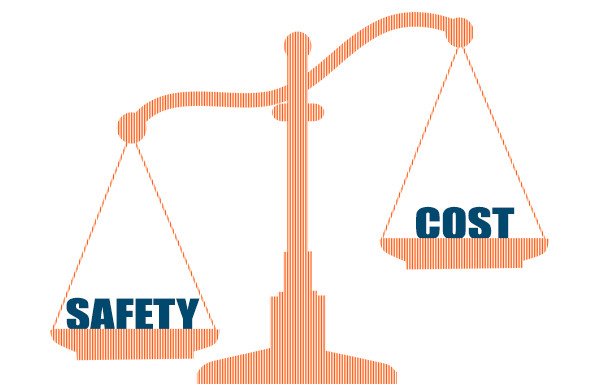
When trying to save money, many drivers make one critical mistake: they cut corners. Skipping maintenance, delaying repairs, or using cheap parts may seem like a smart way to reduce expenses—but it often leads to higher long-term costs or, worse, compromises safety.
The good news is that you can reduce car ownership costs without putting yourself or your passengers in danger. Real cost savings come from informed decisions, preventive habits, and responsible maintenance—not shortcuts that create risk.
This guide provides practical, realistic tips to help drivers lower expenses while keeping vehicles safe and reliable. From maintenance and driving habits to insurance and protection strategies, these steps let you save money while protecting your biggest investment: your car—and your life.
1. Understand Where Your Car Money Really Goes
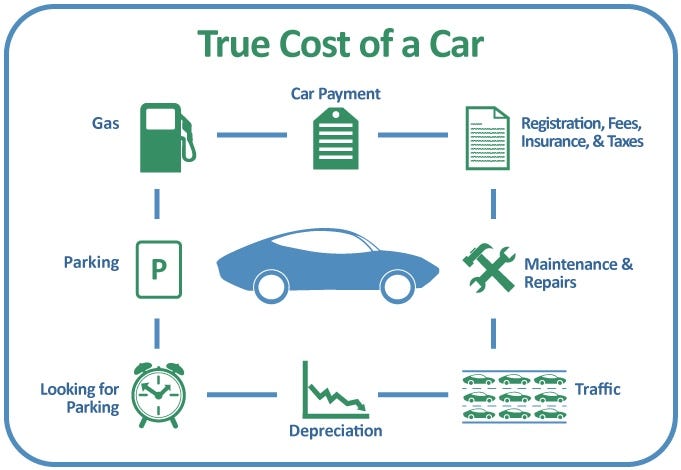
Many drivers assume that their main car costs are just fuel and monthly payments. In reality, the true cost of owning a car is far broader, and awareness is the first step to saving money.
Key categories of car ownership costs include:
- Maintenance & repairs: Regular servicing, unexpected breakdowns, and wear-and-tear parts
- Insurance: Premiums, deductibles, and coverage levels
- Depreciation: Value lost over time, often overlooked in budgeting
- Registration, taxes, and inspection fees
Drivers who track all these costs often find savings opportunities they didn’t notice. For example, planning maintenance before issues arise can prevent emergency repairs that cost hundreds or even thousands. Knowing where your money goes helps you prioritize spending on safety-critical areas while trimming avoidable costs.
2. Never Cut Costs on These Safety-Critical Areas
Some areas of the car are non-negotiable when it comes to safety and long-term expenses. Trying to save money here almost always backfires.
Critical components include:
- Brakes: Pads, rotors, and fluid levels
- Tires: Pressure, tread depth, and alignment
- Steering & suspension: Essential for handling and preventing uneven wear
- Lights & signals: Key for visibility and legal compliance
Neglecting these components may temporarily save money, but can lead to far higher costs. For example, driving on worn brake pads can damage rotors and calipers, multiplying repair costs. Maintaining safety-critical systems protects both your wallet and your life.
3. Use Preventive Maintenance to Avoid Expensive Repairs
Preventive maintenance is one of the most effective ways to reduce car ownership costs safely. Small, scheduled expenses—oil changes, filter replacements, fluid checks—prevent massive failures.
Consider real-life examples:
- Skipping oil changes → engine wear → costly rebuild
- Ignoring coolant flushes → overheating → blown head gasket
- Delaying brake inspections → rotor damage + caliper replacement
Emergency repairs almost always cost more than regular service. Staying on top of your preventive car maintenance schedule keeps your vehicle safe and reliable, while reducing the chance of expensive breakdowns.
4. Save Money on Maintenance Without Risking Safety
Reducing costs doesn’t mean compromising quality. Smart drivers find affordable yet safe maintenance solutions:
- Use reliable independent mechanics instead of high-cost dealerships
- Schedule services according to manufacturer recommendations—timing matters more than price
- Choose quality aftermarket parts when appropriate; avoid cheap, low-quality alternatives
These steps ensure that maintenance is cost-effective but doesn’t compromise safety. Long-term savings come from doing things correctly, not cutting corners.
5. Drive Smarter to Lower Wear and Tear
Your driving habits directly affect how quickly components wear out. Gentle, consistent driving reduces repair costs while improving fuel efficiency.
Key habits include:
- Smooth acceleration and braking to prevent premature brake and suspension wear
- Avoiding unnecessary short trips, which can stress the engine before oil circulates fully
- Monitoring speed to reduce fuel consumption and tire stress
Smart driving protects major systems, extends vehicle life, and contributes to safer, more affordable car ownership.
6. Tire Care: One Area Where Safety and Savings Meet
Tires are one of the few areas where safety and cost savings align perfectly. Properly maintained tires improve handling, reduce fuel consumption, and prevent additional damage to brakes and suspension.
Essential tire care practices:
- Correct tire pressure to maximize fuel efficiency and tread life
- Regular rotation to avoid uneven wear
- Alignment checks to prevent premature suspension damage
Neglecting tires may seem minor but leads to costly repairs and safety risks. Tire maintenance is a clear example of smart, safe cost reduction.
7. Cut Insurance Costs Without Losing Protection
Insurance is necessary, but drivers often overpay or underinsure. You can reduce car insurance costs responsibly without sacrificing coverage:
- Review policies annually to remove unnecessary coverage
- Adjust deductibles sensibly to balance monthly premiums and potential claims
- Check for discounts you may qualify for, like safe driver programs, multi-car discounts, or bundling with home insurance
Being proactive about insurance ensures you’re protected while minimizing costs, avoiding financial surprises after an accident.
8. Protect Your Car to Maintain Value and Reduce Expenses
Maintaining your car’s exterior and interior isn’t just cosmetic—it reduces long-term ownership costs. Preventing rust, sun damage, and interior wear keeps repair bills lower and resale value higher.
Key habits:
- Regular washing and waxing
- Seat covers and dashboard UV protection
- Parking in shaded or covered areas
Protecting your vehicle preserves both safety features and financial value, making it easier to save money over time.
9. Know When Repairs Are Worth It—and When They’re Not
Not every repair needs to be done immediately, but knowing which repairs are critical is essential for safety and savings.
- Repair vs. replace decisions: Consider cost, safety risk, and impact on other components
- Avoid emotional decisions that favor keeping an old car at all costs
- Prioritize safety-critical systems first, then balance long-term expenses
Smart decision-making ensures your car remains safe without unnecessary financial strain.
FAQs: Reducing Car Costs Without Risk
What car maintenance should I never skip?
Oil changes, brakes, tires, fluid checks, and safety system inspections are essential.
How can I save money on my car safely?
Follow preventive maintenance, drive responsibly, use quality parts, and maintain tires.
Is cheap maintenance bad for safety?
Yes, low-quality parts or rushed services can fail early and compromise safety.
How much can preventive maintenance really save?
Depending on the car, preventive care can save thousands over the life of the vehicle by avoiding major repairs and system failures.
Conclusion: Smart Savings Protect Both Your Wallet and Your Life
Reducing car ownership costs doesn’t mean risking safety. The key is balance: preventive maintenance, smart driving, proper tire care, and thoughtful repairs all lower costs while keeping your car reliable.
By adopting these habits, drivers can save money on car ownership, protect vehicle value, and ensure every trip is safe. Long-term thinking and responsible decisions make affordability and safety compatible—your car and your wallet will thank you.