General Liability Insurance Explained: Why Businesses Need It (2025 Guide)
General liability insurance is one of the most essential policies for businesses of all sizes — from freelancers and startups to established companies. It protects your business from financial loss due to lawsuits, accidents, and third-party damages.
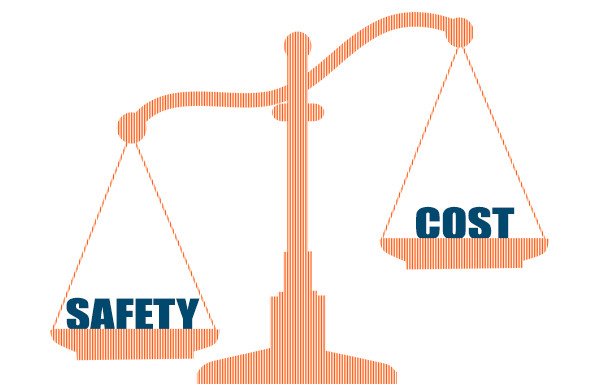
In today’s fast-moving business environment, even a small mistake can lead to expensive claims. That’s why understanding general liability insurance is critical for long-term business safety.
This guide explains what general liability insurance is, what it covers, how it works, and why every business should have it.
What Is General Liability Insurance?
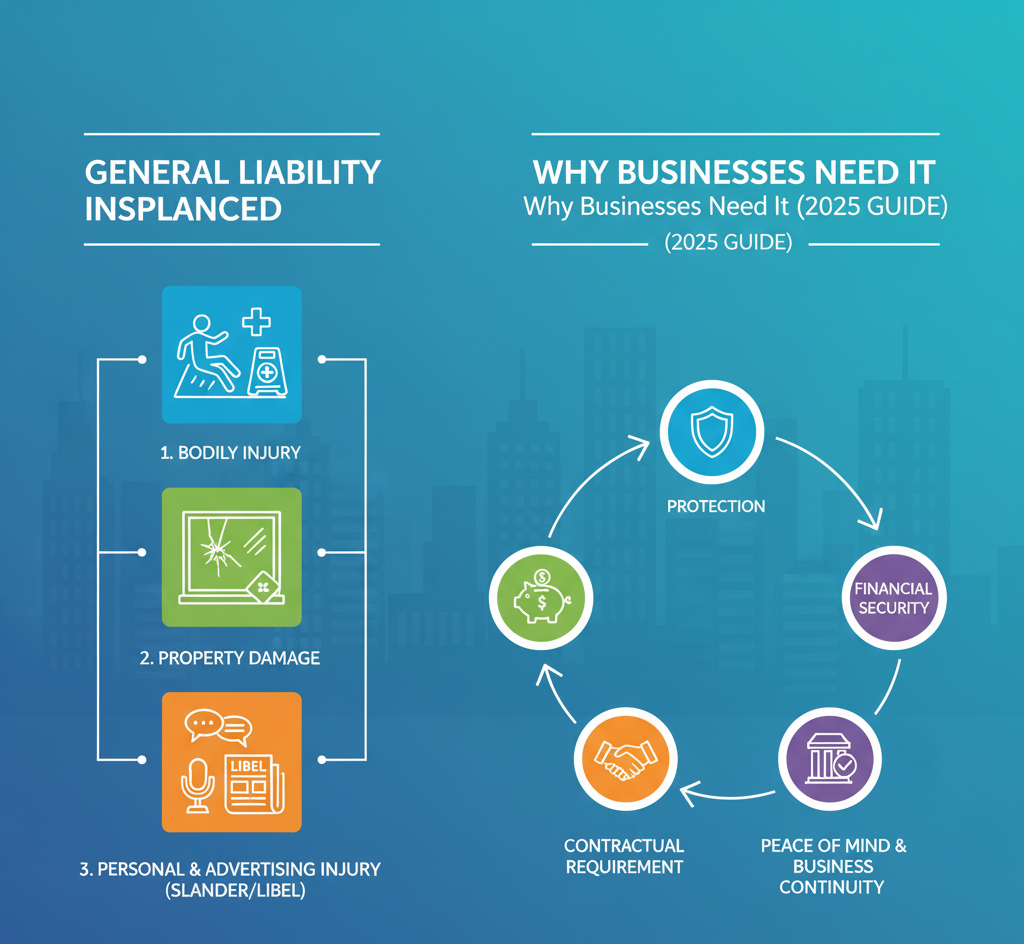
General liability insurance (GLI) is a business insurance policy that protects companies from third-party claims, such as:
- Bodily injury
- Property damage
- Personal or advertising injury
- Legal expenses
If someone sues your business, general liability insurance helps cover the costs so you don’t have to pay out of pocket.
Who Needs General Liability Insurance?
- Small businesses
- Online businesses
- Retail shops
- Freelancers & consultants
- Contractors
- Service providers
- Manufacturers
- Home-based businesses
Even if you work from home, your business activity could still expose you to risks.
Why Businesses Need General Liability Insurance
1. Protects Against Expensive Lawsuits
Legal cases can cost thousands of dollars — even for minor accidents. Without liability insurance, you may have to pay:
- Lawyer fees
- Court fees
- Medical expenses
- Settlement amounts
Lawsuits can bankrupt small businesses. GLI ensures you stay financially protected.
2. Covers Third-Party Bodily Injury
If a customer, visitor, or vendor gets injured at your workplace, you may be held responsible.
Examples
- A customer slips on a wet floor in your shop
- A visitor trips over office equipment
- A contractor gets injured on your premises
General liability insurance covers their medical bills and legal claims.
3. Protects Your Business From Property Damage Claims
If your business accidentally damages someone else’s property, you can be held liable.
Examples
- A contractor damages a client’s wall while working
- An employee breaks a customer’s laptop
- A plumbing business floods a customer’s home
GLI pays for repair or replacement costs.
4. Covers Personal and Advertising Injury
This includes unintentional:
- Defamation (libel or slander)
- Copyright infringement
- Misleading advertising
- Reputational harm
In today’s digital world, businesses face higher chances of marketing-related claims.
5. Required for Contracts and Partnerships
Many clients and landlords require businesses to have general liability insurance before:
- Signing commercial leases
- Participating in events
- Working with corporations
- Completing client projects
Without GLI, you may lose valuable business opportunities.
6. Builds Trust and Professional Reputation
Having liability insurance shows clients you are serious and responsible.
It increases trust, especially for:
- Contractors
- Freelancers
- Service providers
- New businesses
What General Liability Insurance Covers
✔️ Bodily Injury
Covers injuries caused to non-employees.
✔️ Property Damage
Covers damage to someone else’s property.
✔️ Legal Defense Costs
Pays for attorney fees, settlements, and court judgments.
✔️ Advertising Injury
Covers claims related to marketing content.
✔️ Product Liability (in some policies)
Covers damages caused by products you sell.
What General Liability Insurance Does NOT Cover
General liability doesn’t cover:
- Employee injuries (covered under Workers’ Compensation Insurance)
- Professional mistakes (covered under Professional Liability Insurance)
- Damage to your own property
- Intentional harm
- Auto accidents (Commercial Auto Insurance applies)
Understanding exclusions helps you choose additional policies if needed.
How Much Does General Liability Insurance Cost?
Costs vary depending on:
- Business size
- Location
- Industry type
- Claim history
- Annual revenue
Average Cost Range
Small businesses typically pay $350 – $1,200 per year depending on risks and coverage limits.
How to Choose the Right General Liability Insurance
✔️ Assess Your Risks
Consider your business activities and exposure.
✔️ Compare Coverage Limits
Typical limits are:
- $1 million per claim
- $2 million aggregate
Higher-risk businesses may need more.
✔️ Check Add-ons
Such as:
- Product liability coverage
- Cyber liability
- Tools & equipment coverage
✔️ Review the Insurer’s Claim Process
Fast and transparent claim settlement is essential.
Benefits of General Liability Insurance
- Protects financial stability
- Covers unexpected accidents
- Meets client/lease requirements
- Reduces business risks
- Improves trust & professionalism
- Helps avoid bankruptcy due to lawsuits
FAQs
1. What is general liability insurance?
It is a business insurance policy that covers third-party bodily injuries, property damage, and advertising-related claims.
2. Do small businesses really need general liability insurance?
Yes. Even small businesses face risks like customer injuries, damaged property, and lawsuits.
3. Is general liability insurance mandatory?
Not legally, but many clients and landlords require it for contracts or leases.
4. What is the difference between general liability and professional liability?
General liability covers physical injuries and property damage.
Professional liability covers service-related mistakes or negligence.
5. How much coverage do most businesses need?
The most common coverage limit is $1M per claim / $2M aggregate, but higher-risk businesses may need more.
Conclusion
General liability insurance is a must-have for businesses that want long-term safety and credibility. Whether you run a small shop, provide professional services, or operate online, even one unexpected incident can lead to major financial losses.
With the right liability insurance in place, your business stays protected against lawsuits, property damage claims, and accidental injuries — giving you the confidence to grow without worrying about unexpected risks.