Car Safety vs Cost: How to Balance Both Without Overspending
Introduction:
Why Drivers Think Safety Has to Be Expensive
Many drivers delay safety-related repairs or maintenance because they fear the cost. When a warning light appears or a mechanic mentions brakes or tires, the immediate reaction is often stress—not concern for safety, but worry about the bill. Over time, this creates a dangerous mindset: the belief that safety and savings can’t coexist.
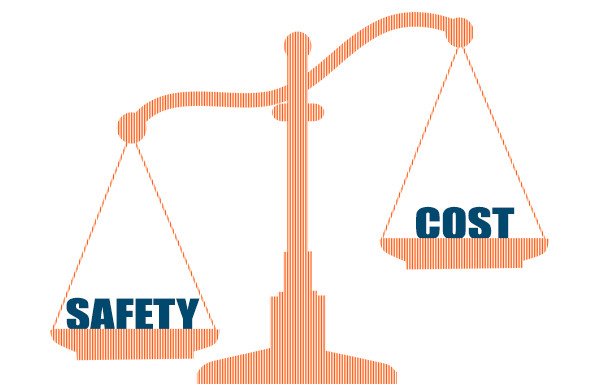
This is where the idea of car safety vs cost becomes misleading. Safety doesn’t always require expensive upgrades or premium parts. In fact, ignoring basic safety maintenance often leads to much higher expenses down the road—both financially and physically.
The truth is, there’s no need to choose between protecting yourself and protecting your wallet. With the right priorities and habits, you can stay safe on the road and keep your car costs under control. This guide breaks down how to strike that balance realistically, without fear-based spending or risky shortcuts.
1. Understanding the Real Relationship Between Safety and Cost
Car safety and cost are deeply connected. When safety is neglected, costs usually rise—not fall. A worn brake pad ignored today can damage rotors tomorrow. Underinflated tires reduce control and fuel efficiency while wearing out faster.
The key difference lies between smart spending and overspending. Smart spending focuses on prevention and essentials. Overspending happens when drivers react late, panic, or agree to unnecessary services.
Preventive care is almost always cheaper than recovery. Regular inspections, timely replacements, and early fixes reduce breakdowns, accidents, and emergency repair bills. When viewed long-term, safe car maintenance is one of the most effective ways to reduce car costs.
SEO focus: safe car maintenance, reduce car costs
2. Safety Areas You Should Never Cut Costs On
Some car components are non-negotiable when it comes to safety. Cutting costs here doesn’t save money—it increases risk.
Critical safety systems include:
- Brakes (pads, rotors, fluid)
- Tires (tread depth, pressure, condition)
- Steering and suspension
- Lights and visibility
- Airbags and seatbelts
Skipping or delaying repairs in these areas raises accident risk and often leads to more expensive damage. For example, worn tires increase stopping distance and can damage suspension components.
Budgeting for these essentials—by setting aside a small monthly amount—prevents last-minute panic spending and keeps safety affordable.
SEO focus: affordable car safety, essential car maintenance
3. Where You Can Save Money Without Sacrificing Safety
Not every recommended service or part is essential. This is where many drivers overspend.
You can safely reduce costs by:
- Avoiding unnecessary early services not listed in your manufacturer’s schedule
- Choosing quality aftermarket parts instead of overpriced OEM parts when appropriate
- Using trustworthy independent mechanics instead of defaulting to dealerships
Saving money is about choosing value, not the cheapest option. A well-installed, high-quality aftermarket brake pad can be just as safe and durable as a dealer part—at a lower cost.
SEO focus: reduce car costs, affordable car maintenance
4. Preventive Maintenance: The Best Balance of Cost and Safety
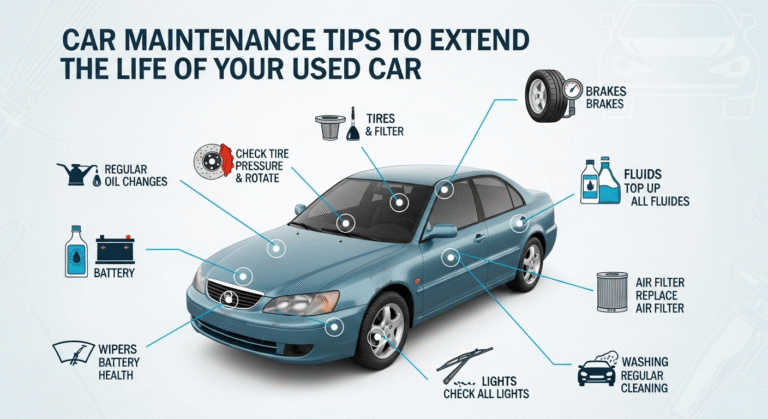
Preventive maintenance sits at the perfect intersection of safety and savings. Oil changes, fluid checks, belt inspections, and routine servicing protect critical systems before damage occurs.
For example:
- Skipping oil changes can lead to engine failure
- Ignoring coolant service can cause overheating
- Delayed brake inspections lead to higher repair bills
Drivers who follow scheduled maintenance consistently spend less over the life of their vehicle and experience fewer breakdowns. A maintenance-first mindset reduces stress, improves reliability, and supports safe car ownership.
SEO focus: preventive car maintenance, safe car ownership
5. Driving Habits That Improve Safety and Lower Costs
How you drive matters just as much as how you maintain your car. Aggressive driving increases wear on brakes, tires, and suspension while raising fuel consumption.
Safer, cheaper habits include:
- Smooth acceleration and braking
- Maintaining safe speeds
- Avoiding unnecessary short trips
- Planning routes to reduce congestion
These habits improve reaction time, reduce accident risk, and extend component life—helping you save money on car ownership without spending anything extra.
SEO focus: safe driving habits, save money on car ownership
6. Tires and Brakes: Where Safety and Budget Overlap
Tires and brakes affect nearly every aspect of driving: stopping distance, handling, fuel efficiency, and stability. Neglecting them leads to emergencies that cost far more than routine care.
Smart strategies include:
- Regular tire pressure checks
- Rotating tires on schedule
- Brake inspections before noise or vibration appears
- Buying mid-range, reputable brands instead of premium hype
Planned maintenance avoids roadside failures and spreads costs over time instead of all at once.
SEO focus: tire safety tips, brake maintenance costs
7. Insurance Choices That Protect You Without Overpaying
Insurance is essential for safety, but many drivers overpay due to outdated policies. Reviewing coverage annually often reveals unnecessary add-ons or mismatched deductibles.
Ways to lower insurance costs safely:
- Adjust deductibles based on emergency savings
- Remove coverage you no longer need
- Ask about safe-driver and low-mileage discounts
- Bundle policies when possible
Good insurance planning supports financial safety without inflating the cost of owning a car.
SEO focus: reduce car insurance costs, affordable coverage
8. Avoiding Common Safety Spending Mistakes
Drivers often overspend because of fear or misinformation. Common mistakes include:
- Paying for upgrades that don’t improve real safety
- Delaying essential repairs while spending on non-critical features
- Falling for urgent, fear-based sales tactics
Learning to ask questions, compare recommendations, and understand priorities prevents wasted money and keeps safety spending focused where it matters most.
SEO focus: car safety mistakes, hidden car costs
9. Create a Simple Safety-Focused Car Budget
A safety-focused budget helps you stay prepared without overspending. Planning monthly instead of reacting yearly keeps costs manageable.
Key elements include:
- A small monthly maintenance allowance
- An emergency fund for safety repairs
- Tracking expenses to spot waste early
This approach reduces stress, avoids risky delays, and keeps spending aligned with real needs.
SEO focus: car safety budget, car cost planning
FAQs: Balancing Car Safety and Cost
Can I save money without compromising car safety?
Yes. Preventive maintenance, smart driving habits, and avoiding unnecessary services reduce costs while improving safety.
What safety maintenance should I never skip?
Brakes, tires, steering, lights, and restraint systems should always be prioritized.
Are cheaper car parts safe to use?
Quality aftermarket parts from reputable brands can be safe and cost-effective when installed correctly.
How much should I budget for car safety yearly?
Costs vary, but setting aside a monthly amount for maintenance and repairs prevents financial surprises.
Conclusion: Smart Spending Keeps You Safe and In Control
The debate between car safety vs cost is a false one. Safety doesn’t require overspending—it requires smart decisions, consistency, and awareness.
By prioritizing critical systems, maintaining your car proactively, and avoiding fear-based choices, you stay protected without draining your budget. The goal isn’t perfection—it’s balance.
Smart spending puts you in control, keeps you safe on the road, and makes car ownership far less stressful in the long run.