Car Protection Tips That Save Thousands Over the Life of Your Vehicle
Introduction:
Why Car Protection Is About More Than Just Care
Most drivers lose thousands of dollars over the life of their vehicle, not because of one major accident—but because of small neglect repeated over time. Skipping a service here, ignoring a warning light there, or putting off basic maintenance often feels harmless in the moment. In reality, these habits slowly drain your wallet year after year.
That’s where smart car protection tips come in. True vehicle protection isn’t just about keeping your car clean or fixing it when it breaks. It’s about preventing damage before it happens, reducing long-term repair bills, and protecting the value of one of your biggest investments.
Whether you drive a brand-new model or an older, paid-off car, the goal is the same: protect your car today so it doesn’t cost you tomorrow. The good news? You don’t need advanced mechanical knowledge or expensive products. With a few realistic habits and informed decisions, any everyday car owner can dramatically cut long-term costs.
This guide breaks down practical, proven ways to protect your vehicle, extend its lifespan, and save serious money on car maintenance over time.
1. Follow Preventive Maintenance, Not Just Emergency Repairs
One of the biggest financial mistakes drivers make is waiting until something breaks before acting. Reactive maintenance—fixing problems only after failure—almost always costs more than preventive maintenance, which focuses on stopping issues early.
Preventive maintenance includes routine services like oil changes, inspections, and fluid checks. These small, scheduled tasks protect critical systems and prevent chain-reaction damage. For example, skipping oil changes may save a little money short-term, but dirty oil causes engine wear, overheating, and eventually catastrophic failure that can cost thousands.
Think of vehicle protection like health care. Regular checkups are cheaper than emergency surgery.
Real-world example:
- Oil change skipped repeatedly: saves $60–$80
- Resulting engine damage: $4,000–$8,000 repair or replacement
Maintenance Items You Should Never Delay
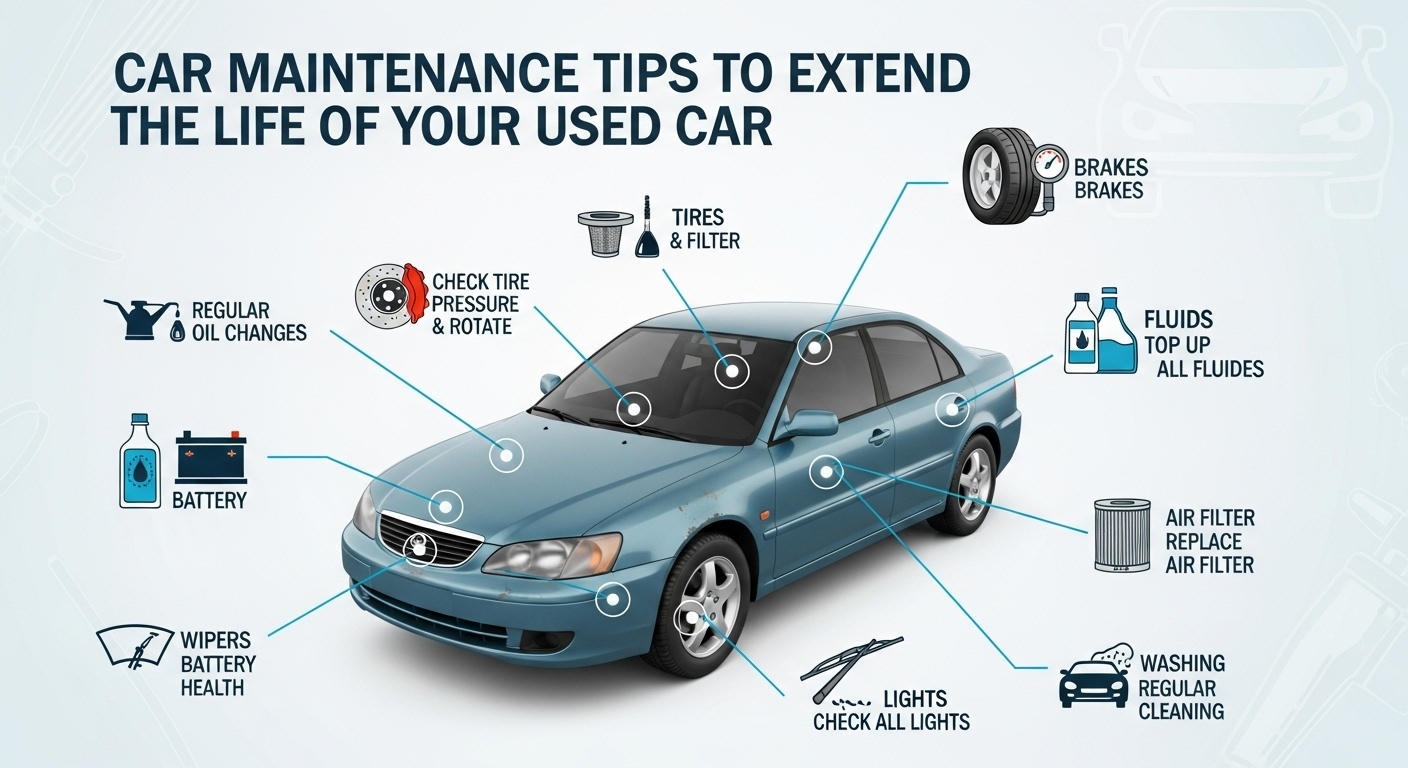
- Oil changes – keeps the engine lubricated and cool
- Brake inspections – prevents rotor damage and unsafe driving
- Fluid top-ups – coolant, transmission, brake, and power steering fluids
Staying consistent with preventive maintenance is one of the most powerful long-term car care strategies available.
2. Protect Your Engine: The Most Expensive Component
Your engine is the heart of your vehicle—and the single most expensive component to repair or replace. Engine damage is often permanent and usually avoidable with proper care.
To protect your car engine, focus on three basics: clean oil, proper cooling, and unrestricted airflow. Fresh oil reduces friction and heat. Coolant prevents overheating. Clean air filters keep dirt from damaging internal components.
Many drivers ignore early warning signs until it’s too late. Small symptoms often signal much bigger problems developing under the hood.
Warning signs drivers often ignore:
- Engine knocking or ticking sounds
- Overheating or temperature spikes
- Burning smells or smoke
- Reduced power or rough idling
Ignoring these signs doesn’t make them go away—it just increases repair costs. Protecting your engine through basic car maintenance tips can easily save five figures over a vehicle’s lifetime.
3. Don’t Ignore Your Tires—They Affect More Than Fuel
Tires do far more than help you move. They directly impact fuel efficiency, braking, suspension health, and alignment costs. Poor tire care quietly increases expenses across multiple systems.
Under-inflated tires increase rolling resistance, forcing the engine to work harder and burn more fuel. Misaligned or unevenly worn tires stress suspension components and accelerate brake wear.
Simple tire care tips that save money:
- Check tire pressure monthly
- Rotate tires every 5,000–8,000 miles
- Fix alignment issues early
Uneven tire wear may seem cosmetic, but it often leads to suspension damage that costs far more than a rotation or alignment. Proper tire care is one of the easiest ways to save money on car repairs without changing your driving routine.
4. Shield Your Car’s Exterior From Costly Damage
Your car’s exterior does more than look good—it protects the metal underneath from corrosion and structural damage. Sun exposure, road salt, bird droppings, and pollution slowly break down paint and protective coatings.
Once paint fails, rust follows—and rust spreads aggressively. Repairs are expensive and often permanent.
Regular washing removes corrosive contaminants, while waxing adds a protective barrier against moisture and UV damage. These habits are cheap but incredibly effective for car exterior protection.
Smart parking habits also matter:
- Avoid parking under trees when possible
- Use covered parking or sunshades
- Rinse salt off in winter climates
Preventing rust on cars is far cheaper than fixing it. Exterior protection isn’t vanity—it’s long-term vehicle protection.
5. Interior Protection Saves Resale Value
Many drivers focus on mechanical condition but forget the interior. Yet interior wear is one of the first things buyers and dealers notice—and it directly affects resale value.
Cracked dashboards, stained seats, strong odors, and worn carpets can reduce trade-in offers by hundreds or even thousands.
Simple interior protection steps include:
- Seat covers or leather conditioning
- Dashboard UV protectants
- Floor mats to prevent carpet damage
Smoking, food spills, and pet hair create lingering odors that are difficult and expensive to remove. Protecting your car interior keeps it comfortable today and valuable tomorrow.
6. Use Quality Parts—Cheap Fixes Cost More Later
Not all car parts are created equal. Choosing the cheapest option often leads to shorter lifespan, poor performance, and repeated repairs.
Low-quality parts fail faster, stress surrounding components, and sometimes void warranties. While quality parts may cost slightly more upfront, they save money by lasting longer and protecting other systems.
OEM vs aftermarket (simplified):
- OEM parts: exact fit, reliable, usually more expensive
- Quality aftermarket: good balance of price and durability
- Cheap aftermarket: higher failure risk
Smart vehicle protection means choosing value, not just price. Paying a little more today can prevent paying thousands later.
7. Drive Smarter to Reduce Long-Term Wear
How you drive has a massive impact on long-term car maintenance costs. Aggressive driving—hard acceleration, sudden braking, and high-speed cornering—wears out brakes, tires, suspension, and transmission faster.
Smooth, predictable driving reduces strain on mechanical components and extends service intervals.
Driving habits that save money:
- Gentle acceleration
- Gradual braking
- Avoid unnecessary idling
Short trips are also harder on engines, especially in cold weather, because oil doesn’t fully warm and circulate. Combining errands when possible reduces cold-start wear and long-term damage.
8. Catch Problems Early With Regular Inspections
Many costly repairs start as small, inexpensive issues. Regular inspections help catch problems before they spiral.
Drivers often ignore warning signs like vibrations, unusual noises, or dashboard lights—hoping they’ll disappear. They rarely do.
Dashboard lights you should never ignore:
- Check engine light
- Oil pressure warning
- Temperature warning
Annual inspections or routine checkups cost far less than emergency breakdowns. Early detection is one of the most effective ways to prevent car damage and protect your budget.
9. Keep Records: A Simple Habit That Pays Off
Keeping maintenance records may feel boring, but it pays real money back later. Organized records help with warranty claims, resale negotiations, and diagnosing recurring problems.
Buyers trust cars with documented service histories and often pay more for them.
Easy ways to track maintenance:
- Digital apps
- Spreadsheet logs
- Folder with receipts
Whether digital or paper, car maintenance records prove your vehicle has been protected—and that proof translates into higher resale value and fewer disputes.
FAQs: Car Protection Questions People Ask Online
How often should I service my car to save money?
Follow manufacturer recommendations, but regular oil changes and annual inspections offer the best long-term savings.
Is car protection really worth the cost?
Yes. Preventive care almost always costs less than major repairs caused by neglect.
What maintenance saves the most money long-term?
Oil changes, tire care, brake inspections, and engine cooling system maintenance.
How can I protect my car without spending much?
Drive smoothly, check fluids, keep tires inflated, wash regularly, and address small issues early.
Conclusion: Small Protection Steps, Massive Long-Term Savings
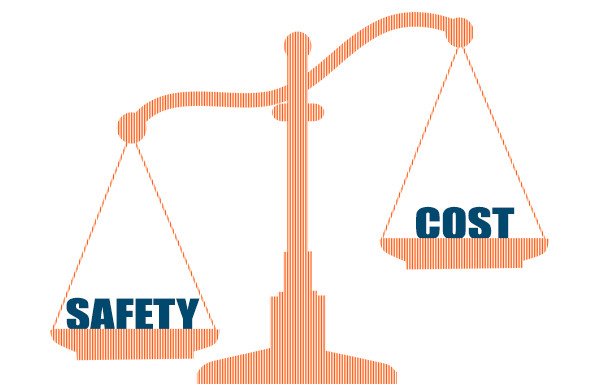
Car protection isn’t about spending more—it’s about spending smarter. Small, consistent habits prevent expensive failures, extend vehicle life, and protect resale value.
By following these practical car protection tips, you shift from reacting to problems to preventing them. That mindset change alone can save thousands over the life of your vehicle.
Protect your car today—and your future self will thank you tomorrow.