Car Maintenance vs Repairs: Which Costs More in the Long Run?
Introduction:
Why Most Drivers Underestimate True Car Costs
Many drivers believe skipping routine maintenance saves money. In reality, this approach often costs thousands in the long run. The debate between car maintenance vs repairs isn’t just academic—it has real financial consequences.
Regular maintenance seems like a recurring expense, while repairs appear only when something breaks. However, ignoring preventive care leads to major repair bills, reduced car lifespan, and even safety risks.
This guide explores the true costs of maintenance and repairs, helping drivers understand where their money is best spent. By planning ahead and making informed choices, you can save money, avoid emergencies, and extend your vehicle’s life.
1. Understanding Maintenance Costs
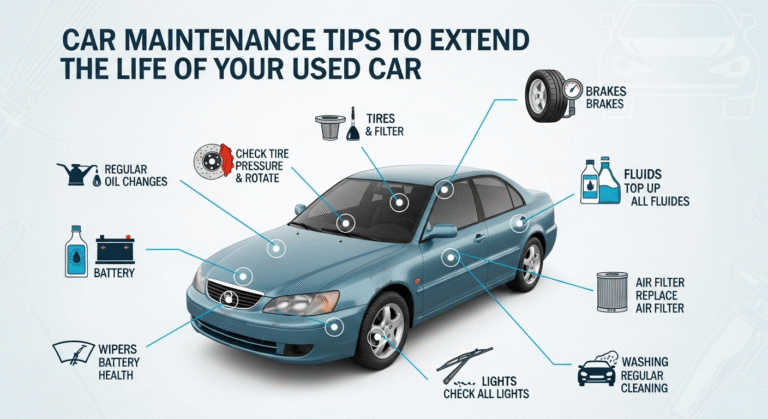
Maintenance is all about preventive care. Scheduled servicing keeps a car running efficiently and avoids expensive failures later.
Key maintenance items include:
- Oil changes and filters: Prevent engine wear
- Brake inspections: Protects both safety and expensive components
- Fluid checks and replacements: Transmission, coolant, brake, and power steering fluids
- Tires, belts, and batteries: Reduce unexpected breakdowns
While each service may seem small, the cumulative cost is predictable and budget-friendly. Planned maintenance prevents major problems, ensures warranty coverage, and extends the vehicle’s useful life. Investing in preventive care is a strategic, long-term financial decision.
2. Understanding Repair Costs
Repairs are reactive—they occur after a problem develops. This unpredictability makes them costly.
Common expensive repairs:
- Engine and transmission failures
- Suspension replacements
- Electrical and electronic system repairs
Cost factors:
- Labor-intensive repairs significantly increase bills
- Low-quality or delayed parts replacements can lead to repeat visits
Reactive repairs are often 3–5 times more expensive than preventive maintenance. For example, ignoring a minor oil leak could result in a blown engine costing several thousand dollars to repair. Understanding repair costs highlights the financial advantage of maintenance.
3. Short-Term vs Long-Term Cost Comparison
Short-term thinking favors skipping maintenance. Long-term thinking shows the true picture.
Example:
- Skipping a $100 oil change today may lead to a $3,000 engine rebuild tomorrow.
- Minor brake pad replacements (~$150) prevent rotor and caliper damage (~$1,200).
Investing in small recurring costs prevents huge spikes later, keeping car ownership predictable and budget-friendly. A few hundred dollars spent annually on maintenance can save thousands in repairs over five years.
4. How Driving Habits Affect Costs
Driving style has a direct impact on maintenance and repair frequency.
- Aggressive driving accelerates brake, tire, and suspension wear
- Frequent short trips prevent the engine from reaching optimal temperature, increasing oil and component stress
- High RPM driving puts pressure on transmission and engine components
Adopting smooth acceleration, gentle braking, and fuel-efficient habits reduces both maintenance and repair costs. Smart driving is an easy, cost-free way to extend vehicle life.
5. Parts Quality: A Hidden Factor in Long-Term Costs
Not all replacement parts are created equal. Choosing cheap components may save money upfront but increase costs later.
Considerations:
- OEM (Original Equipment Manufacturer) parts are more reliable and last longer
- High-quality aftermarket parts can be a cost-effective alternative if chosen carefully
- Cheap, low-quality parts often fail prematurely, leading to repeated repairs
Investing a little more in parts upfront can save thousands in the long run, proving that quality is a key factor in the maintenance vs repairs equation.
6. Insurance and Extended Warranties
Insurance and warranties influence long-term car costs.
- Insurance can offset repair costs for accidents or mechanical failures under certain plans
- Extended warranties may be worth considering for high-mileage vehicles or models with known issues
- Avoid overpaying for unnecessary coverage, but ensure essential systems are protected
Properly managed insurance and warranty plans can reduce unexpected repair expenses while keeping ownership costs predictable.
7. Real-World Examples: Maintenance vs Repairs
Case Study 1: A driver neglects oil changes and runs 20,000 miles before service. Result: engine sludge buildup, engine rebuild cost: $3,500.
Case Study 2: Another driver follows a maintenance schedule: oil changes every 5,000 miles, timely brake pads and fluid replacement. Result: no major repairs over five years, total maintenance cost: ~$1,200.
These examples highlight that maintenance vs repairs isn’t just theory—planning and preventive care lead to measurable savings.
8. Tips to Minimize Both Maintenance and Repair Costs
- Stick to a maintenance schedule: Follow manufacturer recommendations
- Choose a reliable mechanic: Quality labor avoids repeated repairs
- Monitor warning signs early: Unusual noises, vibrations, or smells
- Protect the exterior and interior: Reduces wear, preserves resale value
- Track all expenses: Helps anticipate future costs and avoid surprises
By combining preventive care with responsible habits, you can reduce both routine maintenance and emergency repair expenses.
FAQs: Maintenance or Repairs—Which Costs More?
Does regular maintenance really save money?
Yes. Preventive care reduces the likelihood of expensive repairs, extends vehicle life, and keeps ownership costs predictable.
Are repairs always more expensive than maintenance?
In most cases, yes. Emergency repairs often cost 3–5x more than routine maintenance.
How much should I budget for maintenance vs repairs yearly?
Budget about 5–10% of your car’s value annually for maintenance, plus a separate emergency fund for unpredictable repairs.
Can smart driving habits reduce long-term car costs?
Absolutely. Smooth acceleration, gentle braking, and avoiding excessive short trips minimize wear on brakes, tires, and the engine, reducing both maintenance and repair needs.
Conclusion: Invest in Maintenance Today to Avoid Costly Repairs Tomorrow
The maintenance vs repairs debate clearly favors preventive care. Small, planned expenses today save thousands tomorrow while keeping your car safe, reliable, and efficient.
By tracking costs, following service schedules, and adopting responsible driving habits, drivers can control long-term car ownership costs and avoid financial surprises. Prevention isn’t just about safety—it’s the smartest financial decision a car owner can make.