Car Expenses People Forget to Budget For (And How to Prepare)
Introduction:
Why Most Drivers Underestimate Their Car Costs
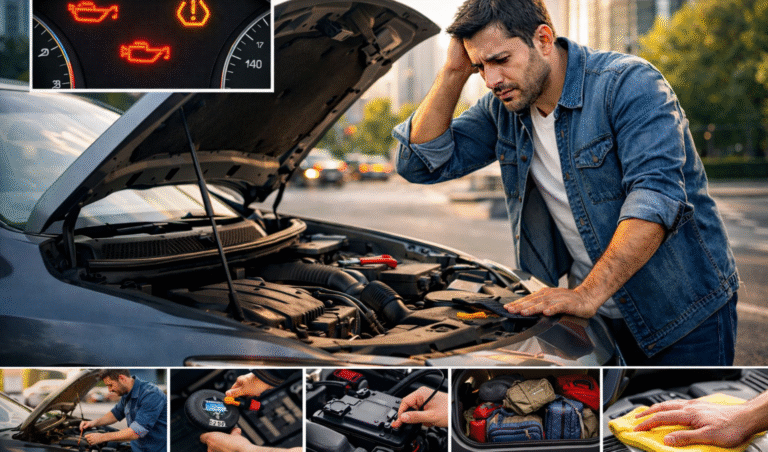
Even the most careful drivers often face unexpected car expenses. Monthly payments, insurance, and fuel might fit neatly into a budget—but car expenses people forget often hit hard and unplanned.
Many car owners underestimate the true cost of owning a vehicle. Routine maintenance, minor repairs, and annual fees quietly add up, creating a gap between what you expect to spend and what you actually do. Without planning, these hidden costs can strain even a well-prepared budget.
The good news? With awareness and preparation, you can budget for both predictable and unexpected costs, reducing stress and avoiding financial surprises. This guide breaks down the car expenses people forget most often—and provides practical strategies to prepare financially.
1. Regular Maintenance Costs You Often Overlook
Routine maintenance is essential—but often underestimated in budgets. Skipping small services may save money temporarily, but costs multiply when minor issues become major repairs.
Key maintenance items drivers forget:
- Oil changes – crucial for engine longevity
- Brake inspections – prevents rotor and caliper damage
- Fluid replacements – transmission, coolant, brake, and power steering
- Filters, belts, and tune-ups – prevent costly breakdowns
Preventive maintenance is far cheaper than emergency repairs. For example, a $100 oil change prevents sludge buildup that could lead to a $3,000 engine repair. Planning for these hidden car costs ensures your car maintenance budget is realistic and prevents budget shocks.
2. Tires, Alignment, and Suspension
Tires are often overlooked, but they are critical for both safety and cost management. Proper tire care prevents uneven wear, protects suspension components, and improves fuel efficiency.
Essential tire and suspension maintenance:
- Rotations every 5,000–8,000 miles
- Balancing to reduce vibration
- Replacements when tread is low
- Alignment checks to avoid uneven wear
Ignoring alignment issues can increase fuel costs and damage tires faster. Including these tire maintenance costs in your annual car repair budget helps avoid unexpected expenses and ensures smoother, safer driving.
3. Insurance Surprises: More Than Just Monthly Premiums
Insurance premiums are predictable—but many hidden costs are often forgotten. Deductibles, coverage gaps, and optional extras can quickly add up when an incident occurs.
Insurance elements to consider:
- Deductibles – out-of-pocket costs during claims
- Coverage gaps – missing protection for certain damages
- Optional coverage – roadside assistance, rental car, gap insurance
- Annual reviews – discounts often overlooked
Reviewing policies yearly and understanding unexpected car expenses related to insurance ensures you’re protected without overpaying.
4. Fuel Costs You Might Be Underestimating
Fuel is more than a monthly line item. Inefficient driving, heavy loads, or high-consumption vehicles can cause costs to spiral.
Tips to manage fuel costs:
- Track realistic monthly vs annual fuel spending
- Adopt fuel-saving habits: smooth acceleration, steady speeds, reduced idling
- Consider car type and engine efficiency when budgeting
By accounting for car fuel expenses accurately, drivers can prevent overspending and make saving on fuel a consistent habit.
5. Registration, Taxes, and Inspection Fees
Annual fees and inspections are small but easily overlooked. Depending on your location, these costs can vary significantly:
- Vehicle registration and taxes – required yearly or biennially
- Emissions and safety inspections – may include local fees
- Forgetting these costs can break a tight budget if not planned in advance
Including these car ownership costs ensures your budget covers everything, not just what appears in monthly bills.
6. Unexpected Repairs and Breakdowns
No matter how careful, emergency repairs happen. Engine, transmission, or electronics can fail suddenly, and towing or roadside assistance adds extra costs.
Preparation strategies:
- Maintain an emergency fund specifically for car repairs
- Keep essential service numbers for quick response
- Prioritize preventive maintenance to reduce risk
Planning ahead for unexpected car repairs prevents financial stress and keeps you safe on the road.
7. Car Accessories and Add-Ons
Optional accessories and upgrades are another frequently overlooked expense. Items like dash cams, seat covers, floor mats, and infotainment upgrades can accumulate costs quickly.
Tips for budgeting accessories:
- List essential vs optional items
- Spread out purchases over months or years
- Choose cost-effective options that protect the car or improve safety
Including car accessory costs in your hidden car expenses budget prevents overspending while still enjoying comfort and protection.
8. Depreciation and Long-Term Value Loss
Vehicles lose value over time, affecting resale and trade-in potential. Depreciation is often ignored in short-term budgeting but is a major long-term expense.
Ways to minimize depreciation costs:
- Maintain exterior and interior condition
- Follow preventive maintenance schedules
- Keep mileage reasonable and document service history
Planning for car depreciation helps you anticipate long-term costs and preserve value for eventual resale.
9. How to Prepare: A Practical Car Budget
Creating a comprehensive car budget ensures no expense surprises you. Include:
- Maintenance & repairs (regular and emergency)
- Fuel (monthly and annual)
- Insurance (premiums, deductibles, optional coverage)
- Registration, taxes, inspections
- Accessories and upgrades
Track spending with apps, spreadsheets, or a simple notebook. Build a car emergency fund—ideally 10–15% of expected annual expenses—to cover unplanned repairs or breakdowns. This proactive planning reduces stress, avoids debt, and helps maintain financial control.
FAQs: Hidden Car Costs Drivers Often Miss
What car expenses are most commonly forgotten?
Tires, alignment, preventive maintenance, registration fees, and emergency repairs are frequently overlooked.
How much should I budget annually for my car?
A typical range is 10–15% of the vehicle’s value, plus fuel and insurance costs. High-mileage or older vehicles may require more.
Are emergency repairs really that expensive?
Yes. Engine or transmission failures can cost thousands, while towing and roadside assistance add to expenses.
Can proper planning save thousands on car ownership?
Absolutely. Accounting for hidden costs, maintaining your vehicle, and budgeting for emergencies can prevent overspending and protect your finances long-term.
Conclusion: Don’t Let Hidden Costs Surprise You
Even careful drivers can be blindsided by car expenses people forget. The key is preparation: track maintenance, fuel, insurance, registration, and emergency funds consistently.
A proactive approach ensures financial stability, reduces stress, and allows you to enjoy your vehicle without unwelcome surprises. By anticipating costs and budgeting wisely, you can protect both your car and your wallet.