A Practical Guide to Lowering Car Costs While Protecting Your Vehicle
Introduction:
Saving Money Shouldn’t Mean Neglecting Your Car
When drivers think about saving money, their first instinct is often to cut spending wherever possible. Unfortunately, when it comes to cars, many people cut costs the wrong way—by delaying maintenance, ignoring warning signs, or choosing the cheapest fixes available. What feels like saving money often leads to even higher bills later.
The reality is that lowering car costs doesn’t mean neglecting your vehicle. In fact, protection and savings go hand in hand. Cars that are well cared for last longer, break down less often, and retain more value over time. Small, consistent actions can dramatically reduce the overall cost of owning a car.
This practical guide shows you how to reduce car ownership costs without sacrificing safety or reliability. By understanding where your money really goes and making smarter decisions, you can protect your vehicle and your budget at the same time.
1. Understand Your True Car Ownership Costs
Many drivers underestimate how much they truly spend on their cars. Monthly payments and fuel are obvious, but they’re only part of the picture. The true cost of owning a car includes maintenance, repairs, insurance, taxes, depreciation, and unexpected breakdowns.
Maintenance costs like oil changes, tire replacements, and brake servicing add up over the year. Insurance premiums, deductibles, and optional add-ons quietly drain budgets. Depreciation—the loss of value over time—is often the biggest hidden cost, especially for newer vehicles.
When you understand your full car ownership costs, it becomes easier to spot where savings are possible. Awareness alone helps many drivers reduce unnecessary spending and make better long-term decisions.
SEO focus: car ownership costs, true cost of owning a car
2. Prioritize Preventive Maintenance Over Emergency Repairs
Preventive maintenance is one of the most effective ways to lower long-term car costs. Routine servicing may feel optional, but skipping it almost always leads to expensive emergency repairs.
A simple oil change can prevent engine damage that costs thousands. Replacing worn belts or fluids early helps avoid breakdowns that leave you stranded. Small, predictable costs are far easier to manage than sudden repair bills.
Creating a basic maintenance schedule—based on mileage or time—keeps your car running efficiently and safely. Preventive care doesn’t just reduce repair costs; it protects your time, safety, and peace of mind.
SEO focus: preventive car maintenance, reduce repair costs
3. Protect the Most Expensive Parts of Your Vehicle
Not all car components cost the same to repair. The engine, transmission, and suspension are among the most expensive systems in any vehicle. Protecting them should be a top priority.
Regular fluid changes, clean filters, and paying attention to early warning signs can extend the life of these critical parts. Strange noises, delayed shifting, or vibrations are signals that shouldn’t be ignored.
By acting early, you avoid catastrophic failures and dramatically lower lifetime ownership costs. Vehicle protection tips aren’t about upgrades—they’re about preserving what you already have.
SEO focus: vehicle protection tips, protect your car
4. Tire and Brake Care: Safety That Saves Money
Tires and brakes directly affect safety, but they also play a huge role in long-term savings. Poor tire pressure increases fuel consumption and causes uneven wear, shortening tire life.
Regular tire rotation and alignment help tires last longer and protect suspension components. Brake inspections catch wear early, allowing inexpensive pad replacements instead of costly rotor or caliper repairs.
Safety maintenance isn’t an extra expense—it’s a cost-control strategy that prevents much larger bills later.
SEO focus: tire maintenance tips, brake maintenance costs
5. Drive Smarter to Reduce Wear and Tear
How you drive has a major impact on your car’s lifespan and operating costs. Aggressive acceleration, hard braking, and frequent short trips increase wear on the engine, brakes, and suspension.
Smooth driving reduces fuel use and slows component wear. Planning trips efficiently and avoiding unnecessary cold starts can significantly reduce maintenance needs.
Better driving habits cost nothing, yet they consistently rank among the best ways to lower car costs while improving safety.
SEO focus: driving habits that save money
6. Lower Maintenance Costs Without Cutting Corners
Saving money on maintenance doesn’t mean choosing the cheapest option every time. The goal is value, not rock-bottom pricing.
Reliable independent mechanics often provide high-quality service at lower prices than dealerships. Quality aftermarket parts can be just as safe and durable as OEM parts—at a lower cost—when chosen carefully.
Timing services wisely, bundling maintenance tasks, and avoiding rushed decisions help reduce expenses without sacrificing reliability.
SEO focus: affordable car maintenance, reduce car costs
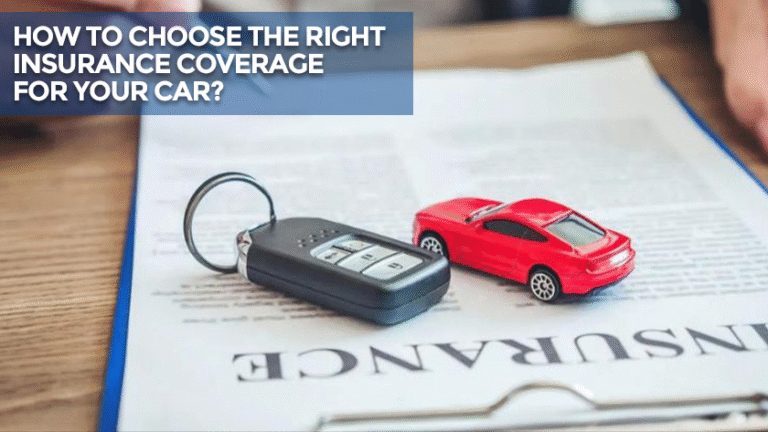
7. Cut Insurance Costs While Staying Protected
Insurance is one of the largest recurring car expenses, yet many drivers overpay simply out of habit. Reviewing your policy annually can uncover easy savings.
Adjusting deductibles responsibly, removing unnecessary add-ons, and comparing quotes often lower premiums without reducing protection. Many drivers also miss discounts for safe driving, low mileage, or bundled policies.
Smart insurance management protects you financially while helping reduce the overall cost of owning a car.
SEO focus: reduce car insurance costs, car insurance tips
8. Protect Your Car’s Exterior and Interior to Maintain Value
A car’s condition plays a major role in resale or trade-in value. Fortunately, protecting your car doesn’t require expensive detailing.
Regular washing helps prevent rust and paint damage. Parking smartly reduces sun exposure and minor body damage. Interior care—such as seat covers and keeping the cabin clean—maintains comfort and value.
These low-cost habits preserve your vehicle’s appearance and protect its long-term worth.
SEO focus: car exterior protection, protect car interior
9. Track Expenses and Plan for the Unexpected
Many drivers lose money simply because they don’t track their car expenses. Small costs add up quietly until they become overwhelming.
Tracking fuel, maintenance, insurance, and repairs creates awareness and encourages smarter decisions. Building a small emergency fund for repairs prevents delays that turn minor issues into major problems.
Simple budgeting tools or apps make planning easy and reduce financial stress.
SEO focus: car budget planning, unexpected car expenses
FAQs: Lowering Car Costs Without Risk
How can I lower car costs safely?
Focus on preventive maintenance, smart driving habits, and prioritizing essential repairs instead of cutting corners.
What maintenance saves the most money long-term?
Oil changes, tire care, brake inspections, and fluid servicing consistently prevent the most expensive repairs.
Is preventive maintenance really worth it?
Yes. Preventive maintenance almost always costs less than emergency repairs and reduces breakdown risk.
How much should I budget yearly for car care?
It varies, but setting aside a monthly amount for maintenance and repairs helps avoid financial shocks.
Conclusion: Smart Protection Is the Key to Long-Term Savings
Lowering car costs isn’t about neglect—it’s about balance. When you protect your vehicle through preventive care, smart habits, and thoughtful planning, savings follow naturally.
By understanding your expenses, prioritizing safety-critical maintenance, and making informed choices, you reduce stress and extend your car’s life. Smart protection leads to long-term savings, better reliability, and more confident ownership.
Your car doesn’t need perfection—it needs consistency. And consistency is what truly keeps costs under control.