The Most Overlooked Car Expenses and How to Prepare for Them
Introduction:
Why Car Costs Always Feel Higher Than Expected
Most drivers think they understand what it costs to own a car. They budget for fuel, insurance, and maybe a monthly payment—then reality hits. A warning light appears, a renewal notice arrives, or a routine service costs more than expected. Suddenly, car ownership feels far more expensive than planned.
The reason is simple: overlooked car expenses. These are the costs that don’t show up every month, don’t feel urgent at first, and often get pushed aside until they become unavoidable. Individually, they seem manageable. Together, they quietly drain budgets and create stress.
From maintenance people forget to plan for, to fees and wear-and-tear costs that sneak up over time, these hidden expenses add up fast. The good news? With awareness and a bit of planning, they’re completely manageable. This guide breaks down the most commonly overlooked costs and shows you how to prepare—so car ownership stops feeling like a financial surprise.
1. Routine Maintenance People Forget to Plan For
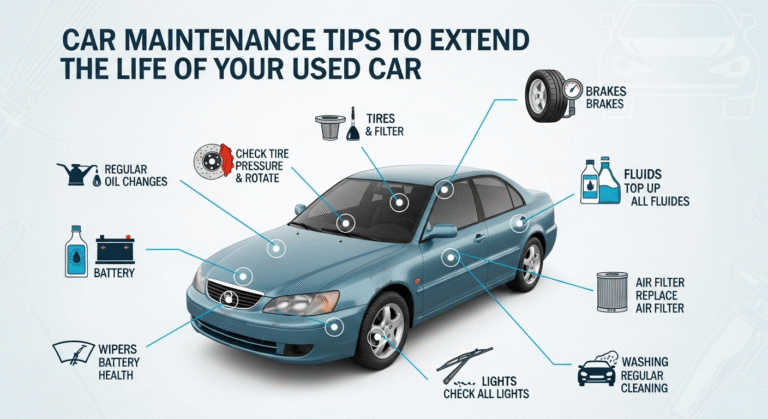
Routine maintenance is one of the most common hidden car costs because it feels optional—until it isn’t. Oil changes, air and cabin filters, fluid top-ups, and inspections don’t happen every month, so they’re easy to forget when budgeting.
Skipping these “small” services often leads to much bigger bills later. Old oil damages engines, neglected fluids affect braking and cooling systems, and missed inspections allow minor issues to become major repairs.
A simple solution is yearly maintenance budgeting. Instead of reacting to each service, estimate your annual maintenance needs and divide them monthly. This turns unpredictable expenses into manageable ones and keeps your car running reliably.
SEO focus: car maintenance costs, hidden car costs
2. Tires, Alignment, and Suspension Wear
Tires are easy to ignore—until they wear out all at once. Many drivers forget to budget for rotation, balancing, alignment checks, and eventual replacement. Poor alignment doesn’t just ruin tires; it increases fuel consumption and puts stress on suspension components.
Suspension wear is even more overlooked. Worn shocks, struts, or bushings quietly affect handling and safety, often leading to expensive repairs if ignored.
Planning ahead makes a huge difference. Knowing your tire replacement cycle and setting aside a small amount monthly prevents sudden, budget-breaking expenses.
SEO focus: tire maintenance costs, unexpected car expenses
3. Unexpected Repairs That Break Budgets
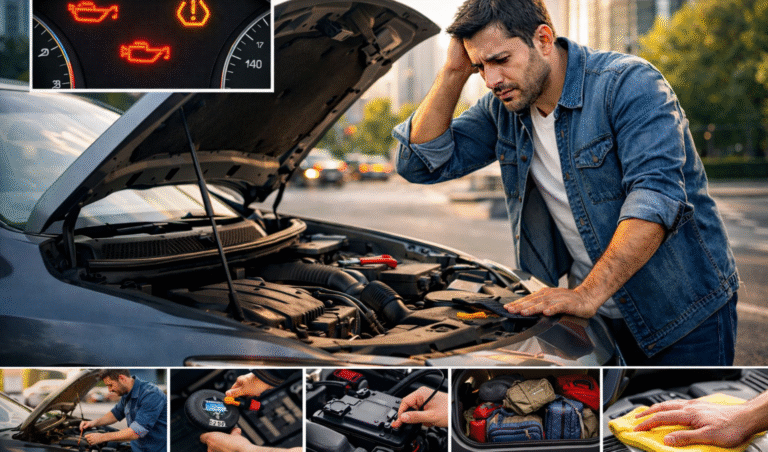
No matter how careful you are, unexpected repairs happen. Batteries fail, brake components wear out, sensors malfunction, and suspension parts give way—often without warning.
What makes these costs so painful isn’t just the repair itself, but the emergency factor. Urgent repairs often come with higher labor costs and fewer options to shop around.
This is why every driver needs a repair buffer. Even a modest emergency fund reduces stress, prevents poor financial decisions, and keeps small problems from turning into disasters.
SEO focus: unexpected car repairs, car repair costs
4. Insurance Expenses Beyond Monthly Premiums
Many drivers assume insurance costs are fixed, but premiums are only part of the picture. Deductibles, claims, coverage gaps, and add-ons quietly increase total spending.
Extras like roadside assistance, rental coverage, or extended protections are often forgotten once added. Over time, these overlooked charges raise the cost of car ownership without drivers realizing it.
An annual policy review helps eliminate unnecessary add-ons, adjust deductibles responsibly, and ensure you’re paying for protection—not waste.
SEO focus: car insurance costs, hidden car expenses
5. Registration, Taxes, and Inspection Fees
Registration renewals, local taxes, and inspection fees don’t happen often—but when they do, they catch drivers off guard. These costs vary by location and vehicle type, making them easy to underestimate.
Late fees add insult to injury, turning predictable expenses into unnecessary penalties. Marking renewal dates and including these fees in a yearly car budget eliminates surprises and stress.
SEO focus: car ownership fees, overlooked car expenses
6. Fuel Costs You Underestimate Over a Year
Fuel feels predictable because it’s purchased in small amounts. But those short trips, errands, and daily commutes add up quickly—especially with fluctuating fuel prices.
Seasonal changes, traffic patterns, and driving habits all affect yearly fuel spending. Without tracking, many drivers underestimate how much they truly spend.
Simple habit changes—combining trips, smoother driving, proper tire inflation—reduce fuel costs without sacrificing convenience.
SEO focus: fuel costs per year, car operating expenses
7. Depreciation: The Expense You Don’t Pay Upfront
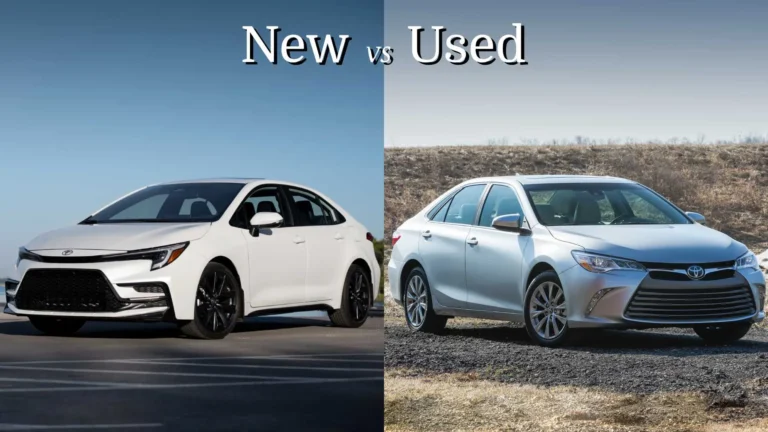
Depreciation doesn’t show up as a bill, but it’s one of the largest long-term car expenses. Every year, your car loses value—especially newer vehicles.
This matters when selling, trading in, or calculating true ownership cost. While depreciation can’t be avoided entirely, proper maintenance, clean records, and protecting the exterior and interior help slow value loss.
Understanding depreciation changes how you view “cheap” ownership and helps with smarter long-term planning.
SEO focus: car depreciation, long-term car costs
8. Accessories, Add-Ons, and “Small” Purchases
Floor mats, phone mounts, car washes, air fresheners, software subscriptions—none feel expensive alone. Together, they quietly drain budgets.
These hidden car expenses are easy to justify because they improve comfort or convenience. The key is setting limits. Deciding what’s essential versus optional keeps spending intentional instead of impulsive.
SEO focus: hidden car expenses, car accessory costs
9. Parking, Tolls, and Convenience Fees
Parking fees, toll roads, garages, and congestion charges depend heavily on location, making them easy to overlook during budgeting. Daily or weekly charges feel small but add up significantly over a year.
Planning routes, using passes, or exploring alternatives can dramatically reduce these recurring costs without changing your lifestyle.
SEO focus: car operating costs, hidden car fees
10. How to Prepare: Build a Realistic Car Expense Plan
Preparation is the difference between stress and control. A realistic car expense plan accounts for both monthly and yearly costs.
Key steps include:
- Separating fixed, variable, and unexpected expenses
- Creating a small emergency fund for repairs
- Tracking spending to spot patterns early
Simple tools like spreadsheets or budgeting apps turn car ownership from reactive to proactive.
SEO focus: car budget planning, prepare for car expenses
FAQs: Overlooked Car Costs Explained
What car expenses do people forget most often?
Maintenance, repairs, insurance add-ons, depreciation, and fees like registration or inspections.
How much should I save for unexpected car costs?
A small monthly contribution builds a buffer that handles most surprise expenses.
Are older cars more expensive to maintain?
Not always, but they require better planning due to higher repair risk.
Can planning really reduce car ownership stress?
Yes. Awareness and preparation remove financial surprises and improve confidence.
Conclusion: Preparation Is the Best Way to Avoid Financial Surprises
Car ownership feels expensive because too many costs go unplanned. These overlooked car expenses aren’t random—they’re predictable with the right mindset.
By understanding where money really goes and preparing ahead, you replace stress with control. The goal isn’t perfection—it’s awareness. And with awareness comes smarter budgeting, fewer surprises, and a far more confident driving experience.